
Bad breath, also known as halitosis, often points to dental problems. Plaque and tartar buildup can lead to gingivitis and periodontal disease, which are among the most common causes of foul-smelling breath. If left untreated, these conditions can cause pain, tooth loss and even infections that spread beyond the mouth.
But dental disease isn’t the only culprit.
What other conditions is halitosis a symptom of in cats? It can also indicate more serious issues like kidney disease, diabetes or gastrointestinal problems. If your cat’s breath smells like death or something along those lines, it may be a sign of severe infection or organ failure, and you should contact your veterinarian immediately.
Other reasons for bad breath in cats
Diet can play a role too. Cats that eat wet food or hunt outdoors may develop stronger odors. For example, if your cat is eating fishy food, their breath may have a more potent fish-like smell. Foreign objects stuck in the mouth or oral tumors can also cause persistent bad breath. If you’re curious why your cat has bad breath, the safest answer is to schedule a vet checkup. Early detection is key to preventing complications!
How to prevent bad breath in cats
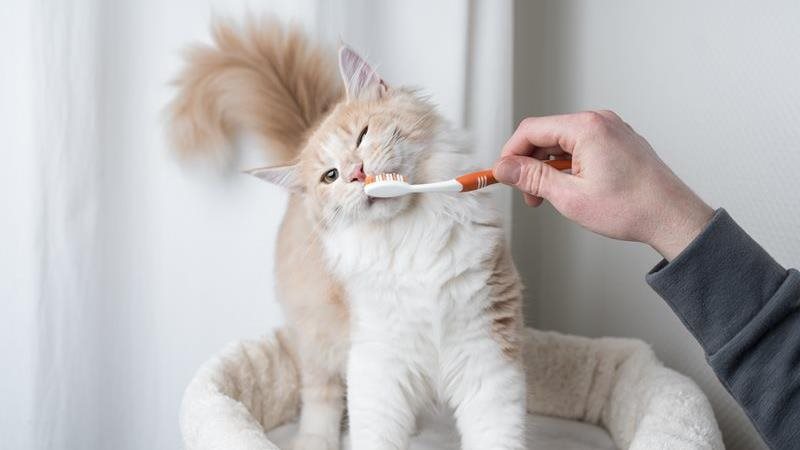
Routine dental care is essential. Brushing your cat’s teeth, offering dental treats and scheduling professional cleanings can help reduce plaque and tartar. For more tips, check out why dental health is important for cats and dogs.
Protect your cat’s health with Petsecure
Dental disease and related conditions can lead to costly treatments. Petsecure pet insurance helps cover eligible unexpected vet bills, so you can focus on care instead of cost. Petsecure gives you confidence knowing your cat is protected.
Get a free quote today and keep your feline friend healthy for years to come.