
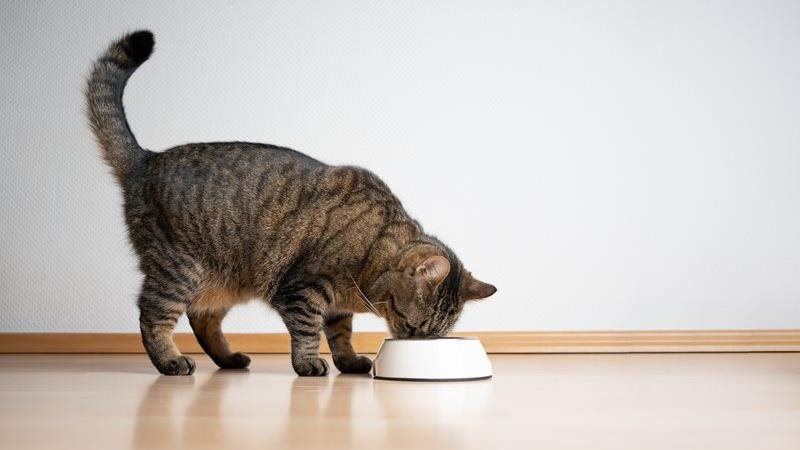
My cat was named Indiana Jones, and like his namesake, he liked to take risks. He was a counter jumper. As a young veterinarian, I learned how to keep a clean kitchen thanks to Indiana and his antics.
Throughout the home, there are many things that could be dangerous to your cat, and some may surprise you! Whether you have a young adventurous kitty or an older curious cat, you’ve probably already gotten into the habit of keeping a clean kitchen for your pet’s safety. But do you know what can cats not eat and what foods are toxic to cats?
Keep reading to learn more about toxic foods for cats, and how to keep your feline friend safe from accidental ingestion.
Grapes and raisins
Can cats eat grapes? No. Grapes, raisins, currants and tamarinds are all toxic foods for cats. These can cause acute kidney failure in both cats and dogs. While the exact cause is still being researched, recent findings suggest that compounds in cream of tartar may be linked to the toxicity. Until more is known, it’s best to keep these fruits far away from your pets.
Onions and garlic
Are onions bad for cats? Yes - and in more ways than just giving them bad breath! Onions and garlic (whether raw, cooked or powdered) can cause anemia, lethargy or even collapse if eaten in large quantities. Can cats have garlic? No. Garlic is sometimes found in parasite control products, but it’s not safe or effective. Always check ingredients before giving anything to your cat.
Chocolate
Chocolate contains theobromine and caffeine, which are harmful to cats. Symptoms of chocolate toxicity include vomiting, diarrhea, heart rhythm issues and, in rare cases, neurological problems. The darker the chocolate, the more dangerous it is. Fortunately, most cats don’t have a sweet tooth, but it’s still important to keep chocolate out of reach.
Cannabis-infused foods
Cats exposed to cannabis, especially edibles, may drool, vomit, have trouble swallowing or appear agitated or dazed. In severe cases, they may hallucinate or become unresponsive. Keep all cannabis products securely stored and never blow smoke near your pet.
Tuna
So, what can cats eat? Tuna might seem like a safe choice, and in small amounts it’s fine. Although some may say it’s the classic food for cats, feeding them tuna (especially if it’s a primary protein source) can lead to mercury poisoning and vitamin B1 (thiamine) deficiency. Stick to balanced cat food and offer tuna only as an occasional treat.
Dairy products
Despite the stereotype, many cats are lactose intolerant. Milk, cheese and other dairy products can cause digestive upset, including diarrhea. Kittens should be fed specialized milk replacers to meet their nutritional needs.
Raw meat and eggs
While some cats thrive on homemade diets, raw meat and eggs can carry harmful bacteria like E. coli, Salmonella and Toxoplasma. Lightly cooking these foods can help reduce the risk. Most cats do best on high-quality commercial wet or dry food that meets their dietary requirements.
Dog food
Cats may enjoy the taste or texture of dog food, but it doesn’t meet their nutritional needs. Dogs are omnivores, while cats are obligate carnivores. Feeding your cat dog food long-term can lead to malnutrition and even vision loss.
How to prevent access to dangerous foods here are some simple ways to keep your cat safe:
-
Cover food on the counter during meals
-
Store food in cat-proof containers
-
Use cabinets your cat can’t open
-
Train your cat to stay off counters
-
Feed your cat at designated mealtimes from their bowl (not your hand)
Encourage your cat to explore safe areas by placing treats on cat shelves or in kitty condos. You can also play hide and seek with treats around the house or use a remote kibble dispenser to keep your cat active and away from the kitchen.
For more tips on safe foods, check out our blog on fruits and veggies for pets and learn why your pet might be eating grass on the regular.
Pet insurance can help with the cost of vet visits
If your cat accidentally eats something toxic, Petsecure can help cover the cost of veterinary care on eligible policies. Explore our coverage plans and learn how Petsecure can support your pet’s health while saving you up to 80$ on vet bills. Yep, we even cover taxes and exam fees.
Get your free Petsecure quote today! 💙