
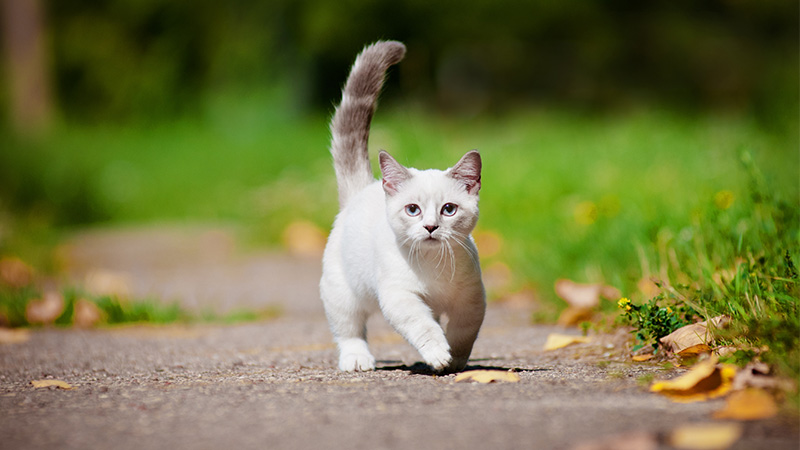
Munchkin cats, often called sausage cats, always find a way to stand out and steal the spotlight with their short legs, curious nature and vibrant personalities. These delightful cats are known to act like kittens because they love to play, explore and cuddle the day away. If you’re dreaming of adding one of these adorable cats to your family, this Petsecure guide covers everything you need to know about this breed.
Origins of Munchkin cats
Munchkin cats have been around for decades. While these adorable short-legged cats were first spotted around the 1940s, pet owners didn’t start adopting them until 1983.
Enthusiasts constantly talk about the unique look of dwarf breeds like Munchkin cats and Dachshunds. All over the world, these feline friends have won over hearts and grown in popularity.
What are Munchkin cat’s physical characteristics?
Munchkin cats are famous for their short legs, a natural genetic mutation that makes them stand out. The rest of their body is average for a small cat. These furry friends come with other delightful features:
- Height – 5 to 6 inches
- Weigh – 6 to 9 pounds
- Coat length – short or long
- Coat colour – white, black, tortoiseshell, calico and many other patterns and colours
What are Munchkin cats' personalities like?
Many people are drawn to Munchkin cats because of their tiny features, but they quickly fall head over paws for their spirited, kitten-like personalities. These cats are known for:
- Playfulness – they are expert treasure hunters who love to hide items to play with later
- Speed – despite their short legs, they are fast runners
- Swiftness – they are great climbers who love to explore their homes
- Social butterflies – they are super social and thrive when making new friends with other pets
- Affection – they are companions who love lap time and cuddles
How much do Munchkin cats cost?
Bringing a Munchkin cat into your home is a rewarding investment. The cost can differ based on a variety of factors:
- Average cost – $1000 to $2000
- Factors – breeder, location and coat colour
Should you come across unusually low prices for Munchkin kittens, it's crucial to do your homework and verify that you're dealing with a reputable and responsible breeder. Before adopting your new feline friend, always evaluate their medical warranties, the cleanliness of the cattery and the early social development of the litter.
What is the lifespan of a Munchkin cat?
The Munchkin cat is a sturdy and healthy breed with an average life expectancy of 12 to 15 human years. With the right high-quality diet and plenty of engaging exercise, Munchkin cats can live a long healthy life, just like any other cat!
How to care for Munchkin cats?
- Grooming – enjoy some bonding time by making sure to brush Munchkin cats once a week or more to keep long-haired coats silky
- Exercise – help your curious Munchkin cats to stay happy and healthy by playing with them for 30 minutes a day
- Environment – make sure your home has plenty of secure places to rest and play
How much do Munchkin cats eat?
Munchkin cats enjoy a standard, nutritious diet that is tailored to their age, weight, lifestyle and health. Based on their size, ideal weight, Munchkin cats should eat two to three meals a day. A mix of wet food for hydration and dry kibble for dental health is a perfect combination. For specific diets, talk to your vet to determine the best servings for how much your cat needs!
Munchkin cat health problems
While many Munchkin cats live vibrant, healthy lives, being a proactive pet owner means staying informed about their health and well-being. The specific genetic trait that affects their cartilage formation is what gives them their adorable short legs! Since Munchkin cats have this unique bone structure, they can be more prone to certain joint and mobility risks.
Here are a few conditions to keep a friendly eye on:
Osteoarthritis
- They have a higher risk of having joint problems
- Encourage staying active and playful by keeping them at a healthy weight despite possible mobility issues
Lordosis
- A trait where the lower spine curves inward
- Many cats with this condition live perfectly normal, active and pain-free lives
- Speaking with a vet allows you to monitor their posture and ensure their heart, lungs and trachea are operating smoothly
Pectus excavatum
- A sunken chest that can affect the heart function and breathing
- Often identified at birth through an exam or scan, providing a great head start for care
- Early diagnosis allows pet owners to be proactive
- Especially common in male Munchkin cats
- Most cats grow up to be happy and healthy with the right medical support
Watch for these signs to keep your Munchkin cat healthy
As a loving pet owner, by keeping a close eye on their normal routine you can quickly see when your Munchkin cat is not feeling their best. Here are some cues to look out for:
- Reluctance to play
- Less jumping or climbing
- Limping or moving slowly
- Grooming less
- Arched or unusually curved back
- Signs of discomfort when touched along the back
- Fast or labored breathing
- A visibly sunken chest
- Low stamina
Should you adopt a Munchkin cat?
Absolutely! These Munchkin cats are fun-loving and adorable bundles of joy that bring a kitten energy to every home by quickly befriending everyone from kids to other pets. If you are ready for a lifetime of fun and cuddles, a Munchkin cat is the perfect choice for you!
If you are thinking of including a Munchkin cat in your home, talk to your vet or breeder about the health of your cat.
How can Petsecure help?
We want you to focus on the joy of your new cat, maybe even a Munchkin cat! Petsecure can cover up to 80% of vet bills, including exam fees and taxes, so you can focus on your cat’s care, not the cost.
Get your free Petsecure quote today!