
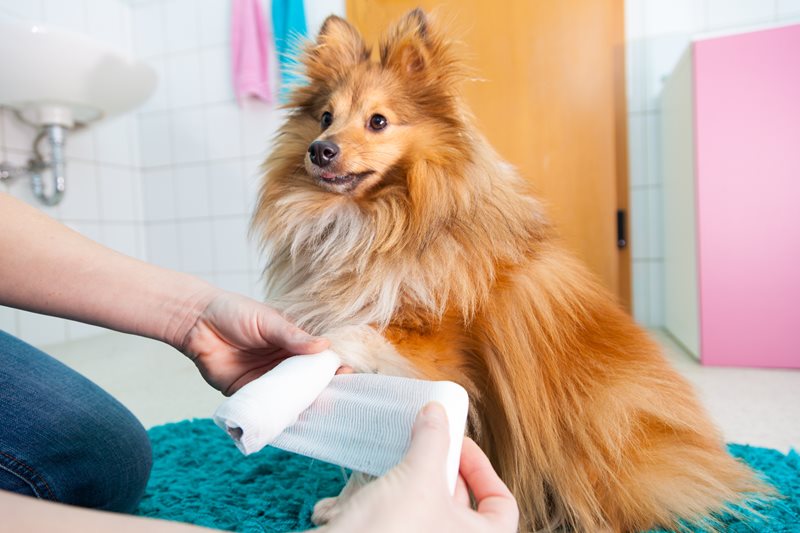
As the season shifts, so do the unique adventures and risks our furry companions face. With wildfire season increasingly bringing sudden evacuation warnings and poor air quality, being proactive is the best way to keep your best friend safe and healthy.
A few smart habits can make a world of difference:
- Check the air quality – limit outdoor exercise when air quality drops as smoke inhalation can irritate your pet’s respiratory system. Keeping playtime indoors on smoggy days is a great way to protect their lungs.
- Prep your quick exit plan – rushing to gather supplies during an evacuation adds unnecessary stress. Having a fully packed pet to-go bag by the door ensures you and your best friend can head to safety at a moment’s notice!
- Always ensure your pet has up-to-date ID tags and micro chip info
- Have a crate or carried labelled with your pet’s name and contact info
- To help you prepare for anything, check out this guide for how to keep your pet protected
Gaining peace of mind during emergencies starts with prep. If you are navigating seasonal changes or unexpected wildfire on the trail, having the right tools on hand is incredibly empowering.
When is a vet visit urgent?
Our pets can be bundles of joy but can’t tell us if they are hurting, so we must rely on our powers of observation. Veterinary clinics emphasize the importance of watching for sudden changes in normal behaviour.
If your dog or cat is still chipper, happy, and eating well, a minor upset stomach might be something you can monitor comfortably at home for a day or two. However, immediate veterinary care is the safest choice if you observe:
- Severe lethargy – extreme weakness, hiding in unusual spots or refusing food entirely
- Persistent vomiting – throwing up multiple times a day, which can point to a swallowed foreign object or serious illness
- Physical trauma – refusing to put weight on a limb, holding an eye tightly shut or bleeding that doesn’t stop quickly
- For step-by-step guidance on how to react in a crisis, take a look at these tips on how to handle pet emergencies
Always save your primary vet’s phone number, the address of your local 24/7 emergency clinic and an animal poison control hotline in your phone, and stick them on your fridge for easy access.
The essential at-home first aid kit
For minor scrapes or stabilizing an injury on the way to the clinic, a well-stocked first aid kit is an absolute must. Even better, it doubles as the core of your seasonal evacuation go-bag.
Veterinarians recommend packing the following items to temporarily manage minor mishaps:
- Non-stick gauze pads and low-tack medical tape to create quick safe bandages
- Styptic powder (or household cornstarch) to quickly stop bleeding from a broken nail
- Pet-specific healing cream (remember to avoid using hydrogen peroxide on your pet as it can sting and delay healing)
- A specialized tick removal tool for safe, easy extraction after outdoor adventures
- A recovery cone to prevent your pet from licking, chewing or scratching a healing wound
Ready to build your kit? Build your pet emergency kit with Pet Valu today! Equipping your home with trusted, high-quality supplies ensures you are ready to jump into action whenever your pet needs you.
Peace of mind for the unexpected
Caring for an injured or sick pet is naturally stressful, but worrying about the cost of emergency care shouldn’t be a part of the equation. True preparedness means protecting both your pet’s health and your own peace of mind.
Be financially prepared with pet insurance through Petsecure. Having comprehensive coverage helps manage the cost of unexpected vet bills. By planning ahead, you can make the best medical decisions for your pet without hesitation, ensuring they always get the top tier care they deserve.